Work content
Establish task-level work content by a defined method rather than an average.
- Break the work into elements
- Apply a recognized time standard
- Record method and conditions
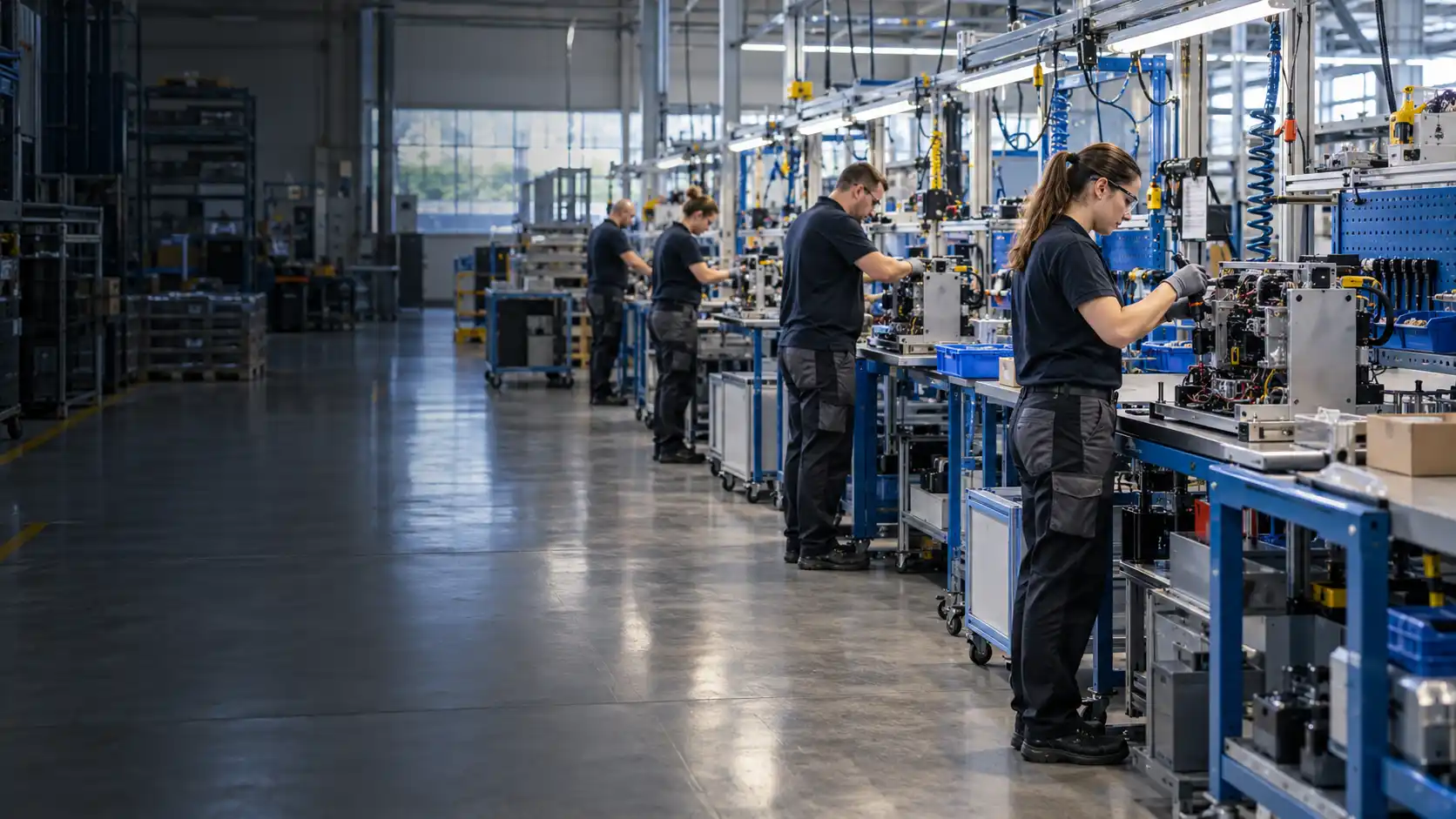
Measure the work. Then decide from it.
Establish real task content and cycle variation by a defined method, so staffing, takt and layout decisions rest on measurement rather than estimate.
A standard quoted as one number hides the conditions it assumed and the variation around it. Explore five things a work measurement study has to settle, using the cards or arrows below.
Work content
Cycle variation
Allowances
Method comparison
Using the standard
Establish task-level work content by a defined method rather than an average.
Capture how much a cycle varies between runs, operators and shifts.
Decide what a standard includes before anything is sized from it.
Compare an existing method with a proposed one on measured content.
Set out where a measured standard holds and where it stops being valid.
Explore all five challenges · Select a card or use the arrows
A work measurement study replaces estimated task times with measured ones, and records how they were obtained so the next study can rely on them.
Work content established by a defined method, with the method recorded alongside it.
Times that can be explained and reviewed rather than argued over.
The spread around a cycle, not just its average, available for planning.
Two ways of doing the work measured on the same basis before one is chosen.
Work content a line-balancing or capacity model can be built on.
Measured work content + Method and allowance documentation + Engineering recommendations
Establish task content and cycle variation by a defined method, with the conditions and allowances recorded alongside. The result is a standard that can be reviewed, reused and built on rather than one taken on trust.
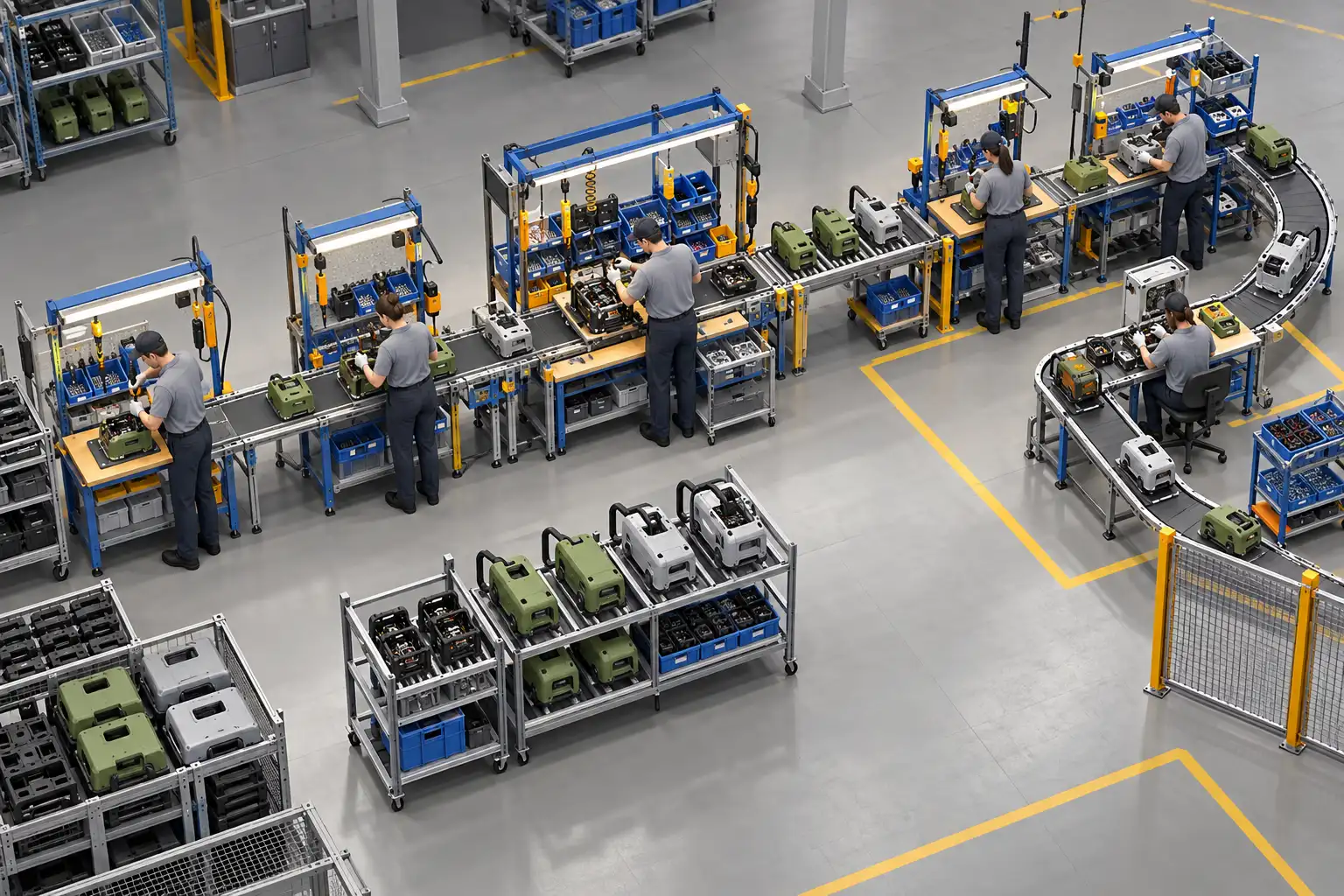
Explore our industrial engineering consultingWe break a task into elements, time repeated cycles and record the conditions each observation was made under. The output is work content with its method attached, so a later reader can see how it was obtained rather than taking the number on trust.
A standard quoted as one figure hides how much the work varies. We record the spread across runs, operators and shifts and report it, because a downstream study that assumes a constant cycle will size the wrong thing.
Rest, personal time, handling and fatigue change a standard materially. We agree the allowance policy and the working conditions before measuring, and state them on the result, so two standards from different studies can be compared.
Where a method change is being considered, we document both ways of working and measure them element by element. The comparison is on measured content under the same conditions rather than on which version someone prefers.
Typical inputs are the task sequence, the station or cell layout, the product variants in scope, observation access during normal running, and any existing standards. We agree what counts as a normal cycle before timing begins.
Every standard assumes conditions. We state the scope it is valid for, flag the changes that would invalidate it, and agree a review point, so it is not still in use three layout changes later.
With experienced industrial engineering support.
Tell us the process, the decision the standard will feed, and what access you have during normal running. We’ll set out what a work measurement study should cover.